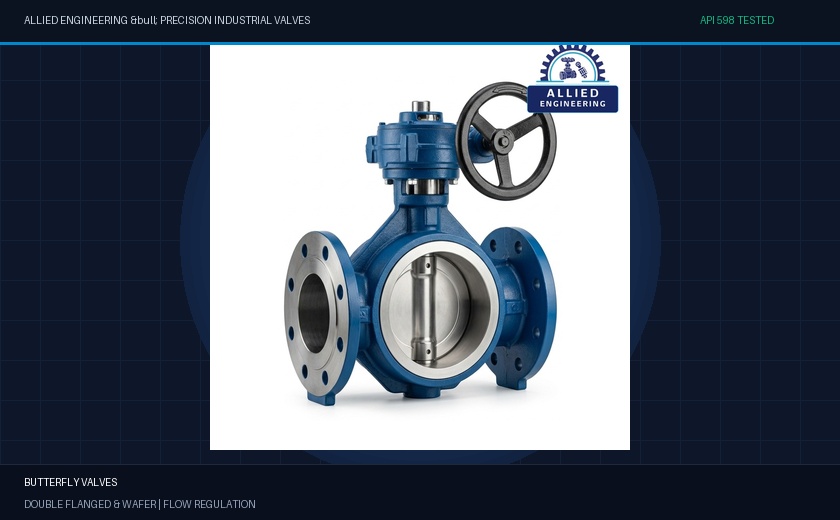
When space, weight, and budget constraints dominate large-diameter pipeline engineering, Butterfly Valves represent the optimal solution. Offering up to 70% weight savings compared to bulky gate valves of equivalent bore, modern butterfly valves combine compact profile with dependable quarter-turn flow regulation.
Body Styles: Wafer vs. Lug vs. Double Flanged
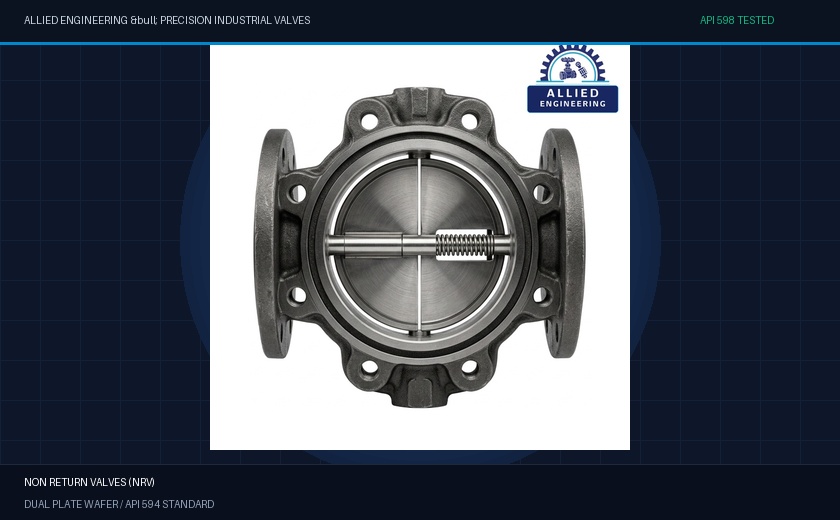
- Wafer Body: Sandwiched between companion pipe flanges using long stud bolts that span the entire valve body. Economical and lightweight, perfect for general utility headers.
- Lug Body: Features threaded tapped holes around the perimeter. Enables downstream piping disconnection while retaining line pressure upstream (dead-end service).
- Double Flanged Body: Features integrated raised-face flanges bolted directly to pipeline flanges. Essential for large-diameter municipal distribution, cooling water, and buried pipeline installations.
Offset Technology & Performance Classes
Modern butterfly valve engineering is categorized by the degree of shaft and disc eccentricity:
- Concentric (Resilient Seated): The stem passes directly through the centerline of the disc and resilient rubber seat (EPDM, Nitrile, Viton). Cost-effective for low-pressure water and HVAC services up to 16 Bar.
- Double Offset (High Performance): The shaft is displaced from the disc plane and pipeline centerline, producing a camming action that lifts the disc off the PTFE seat instantly upon opening, drastically reducing seat wear.
- Triple Offset (Severe Service): Incorporates a third conical sealing axis creating a frictionless, metal-to-metal wedge seal. Capable of handling temperatures up to 550°C and pressures exceeding Class 600.